Rewild the Ghost Woods
We won!
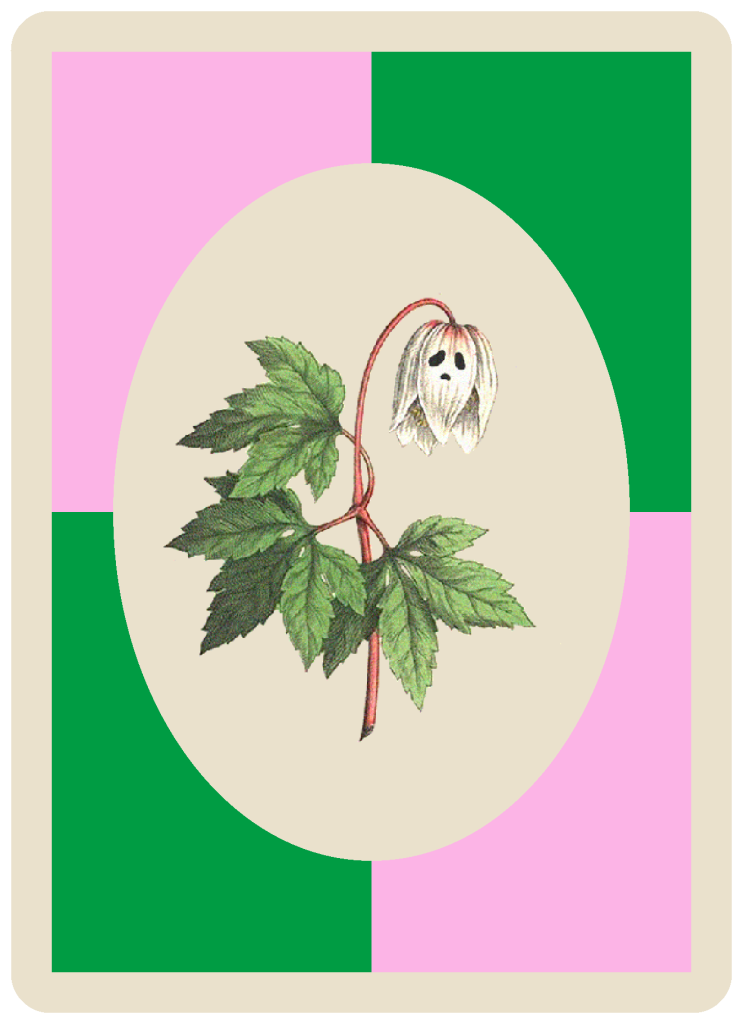
In 2026, we secured £5.9 million in on-going funding to restore publicly owned Ghost Woods!
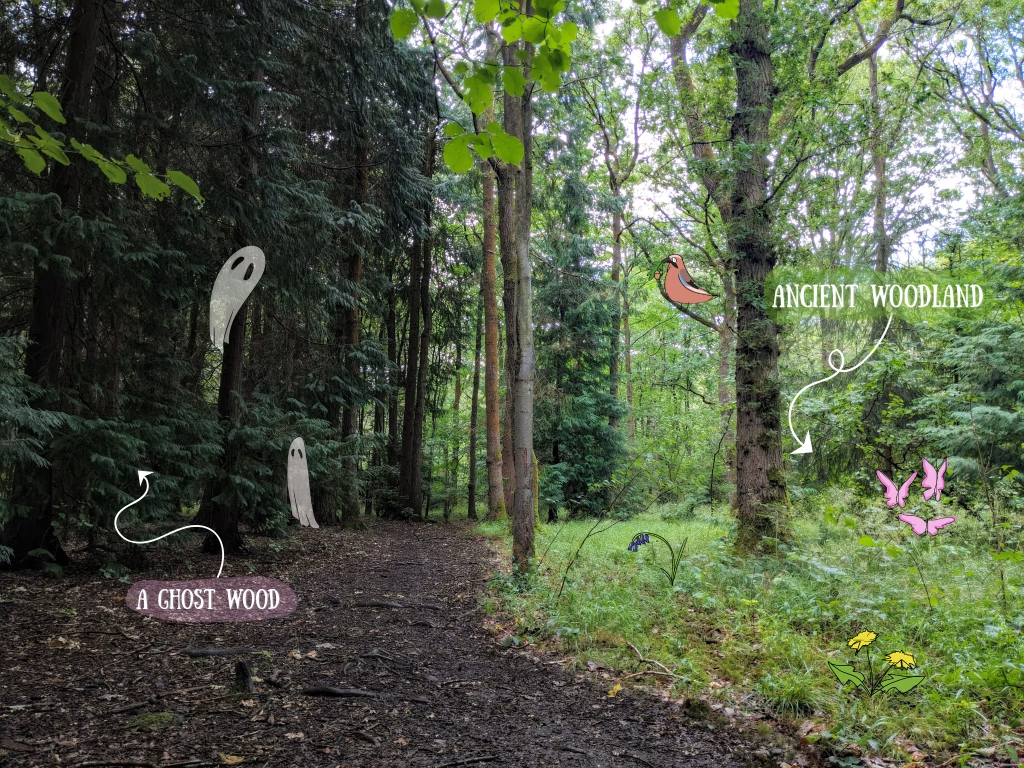
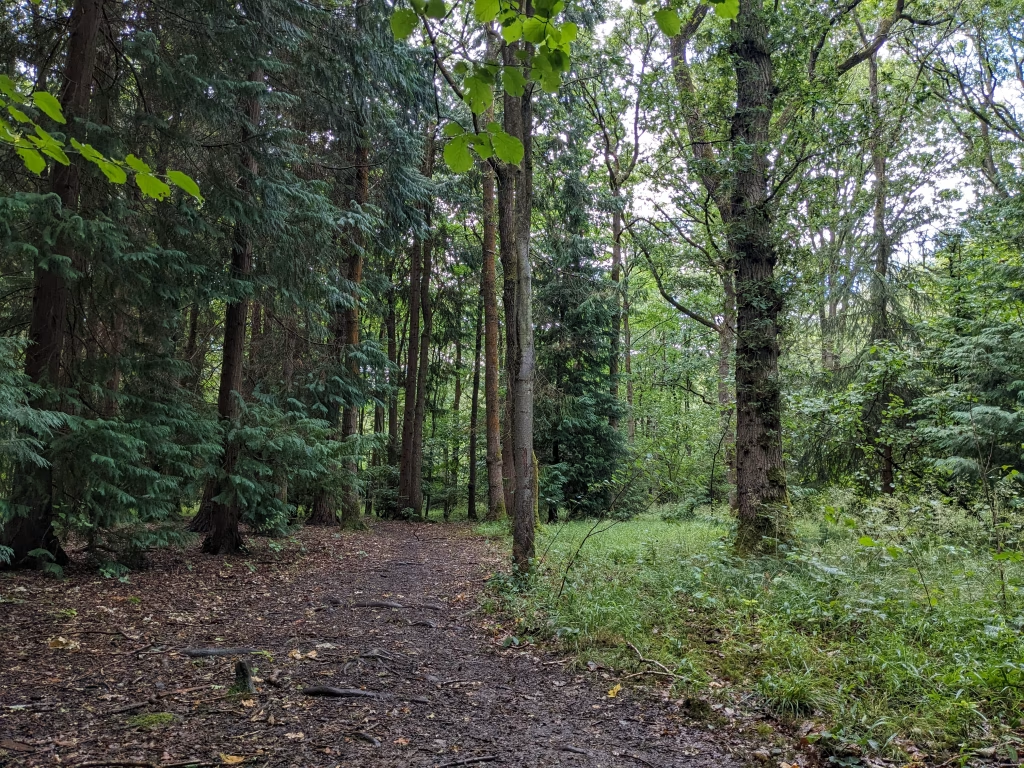
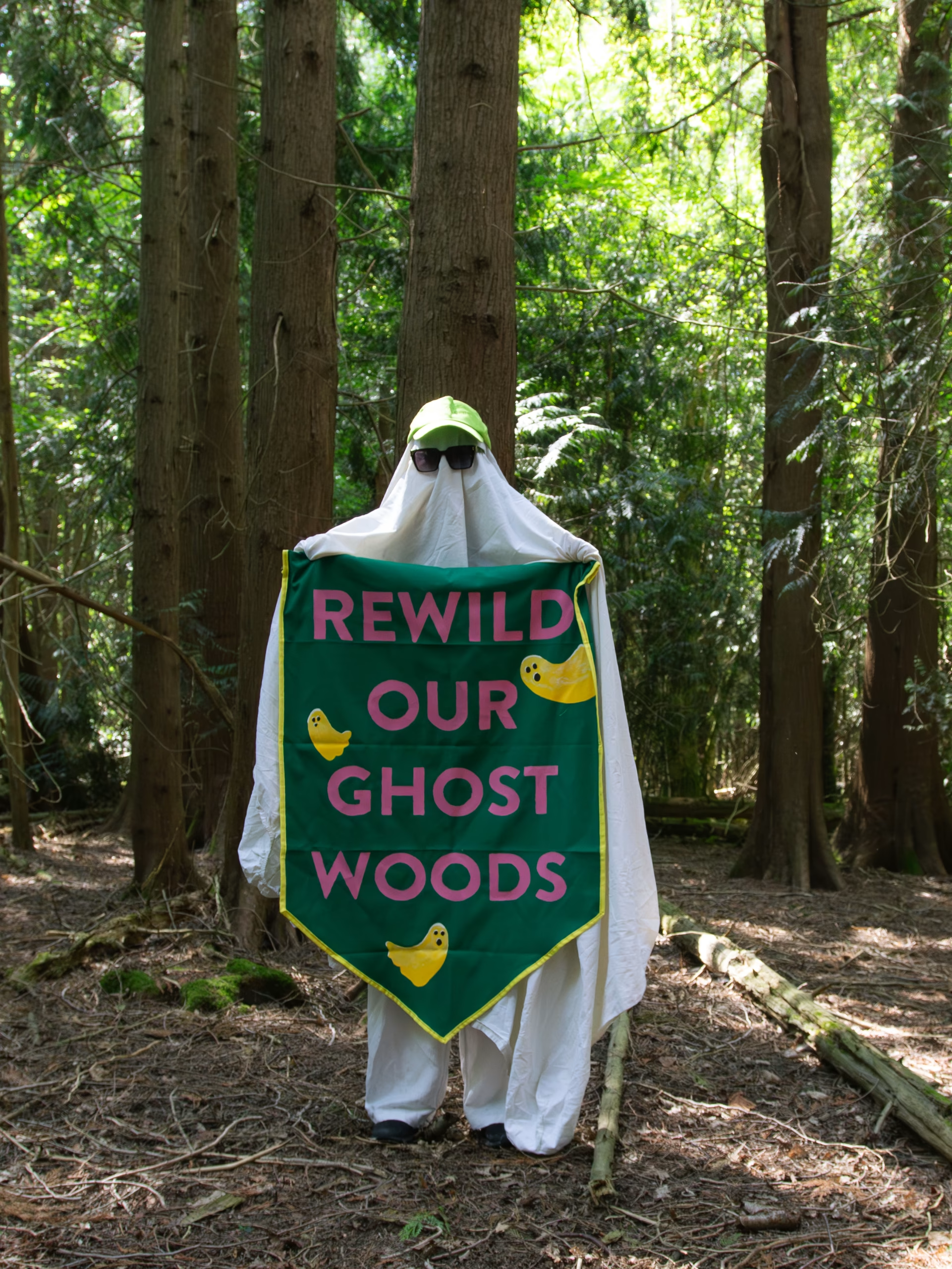
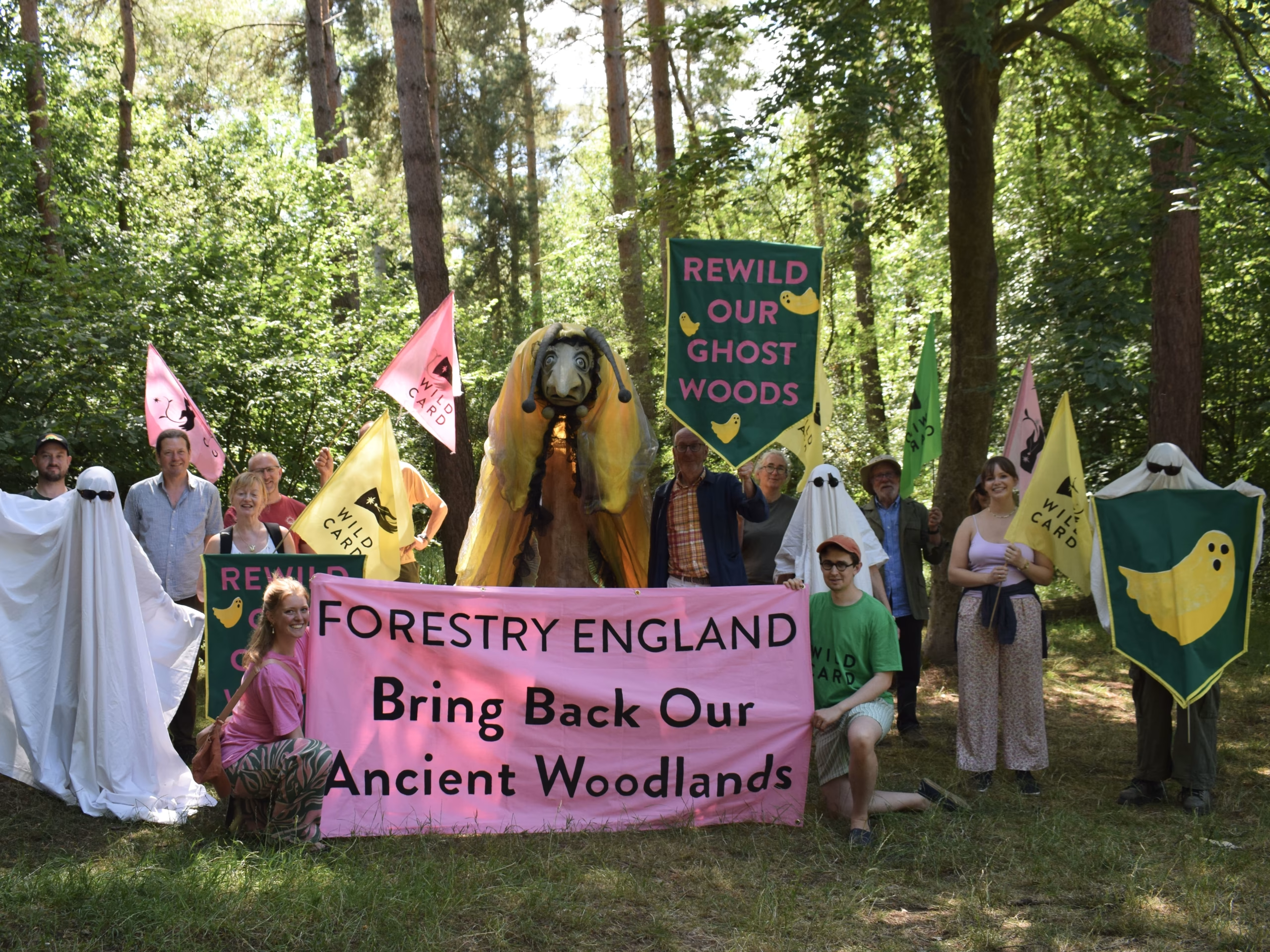
All across England, lost beneath neat, uniform timber plantations, lie the remains of some of our oldest living ecosystems. These are the “Ghost Woods” – once thriving ancient woodlands felled in the 20th century and now smothered by monoculture plantations. These forests should be alive with birdsong, fungi and wildflowers, but instead they’ve been turned into dark and gloomy tree farms.
Together we are changing this!

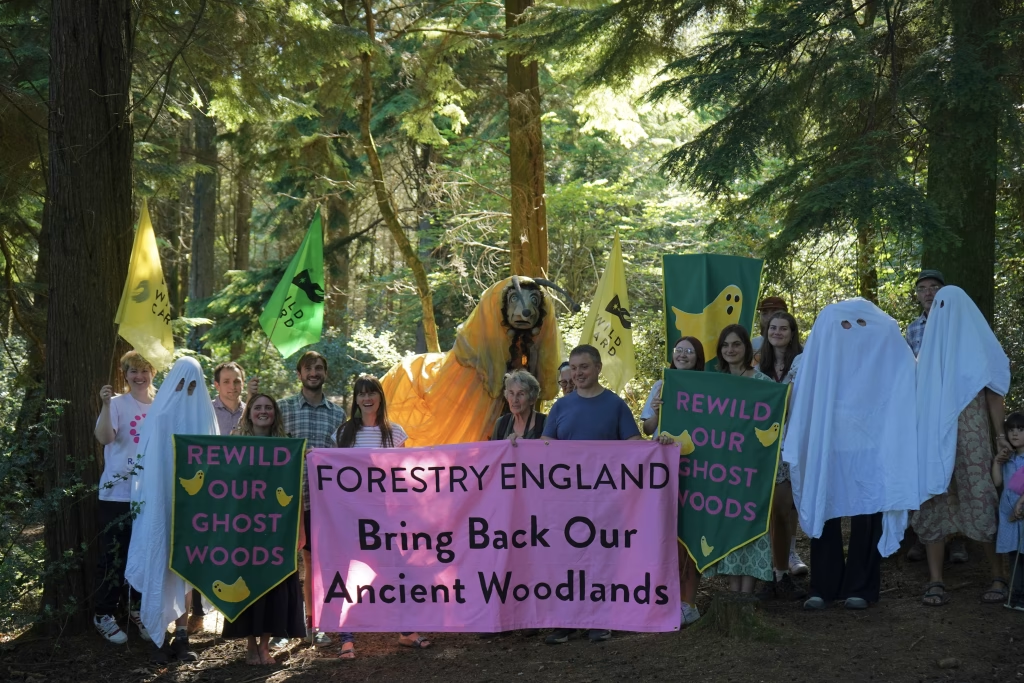
With the support of over 147,000 people up and down the country, we have managed to secure £5.9million of Government funding for Ghost Wood restoration!
This is the first time the Department for Environment, Food and Rural Affairs (DEFRA) has ever committed multi-year funding for restoration on the Public Forest Estate!
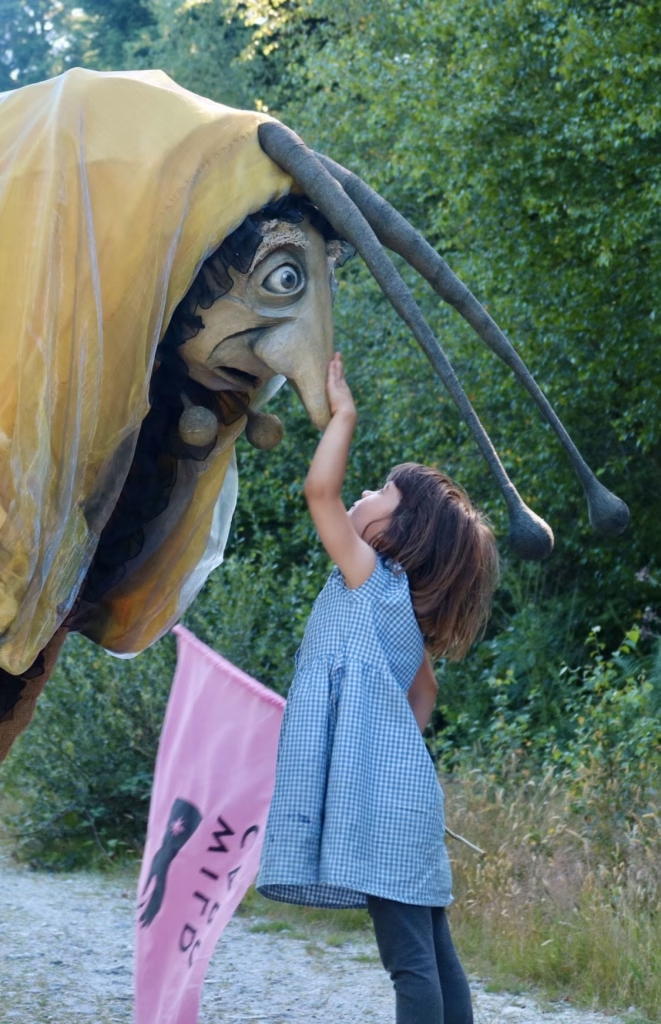
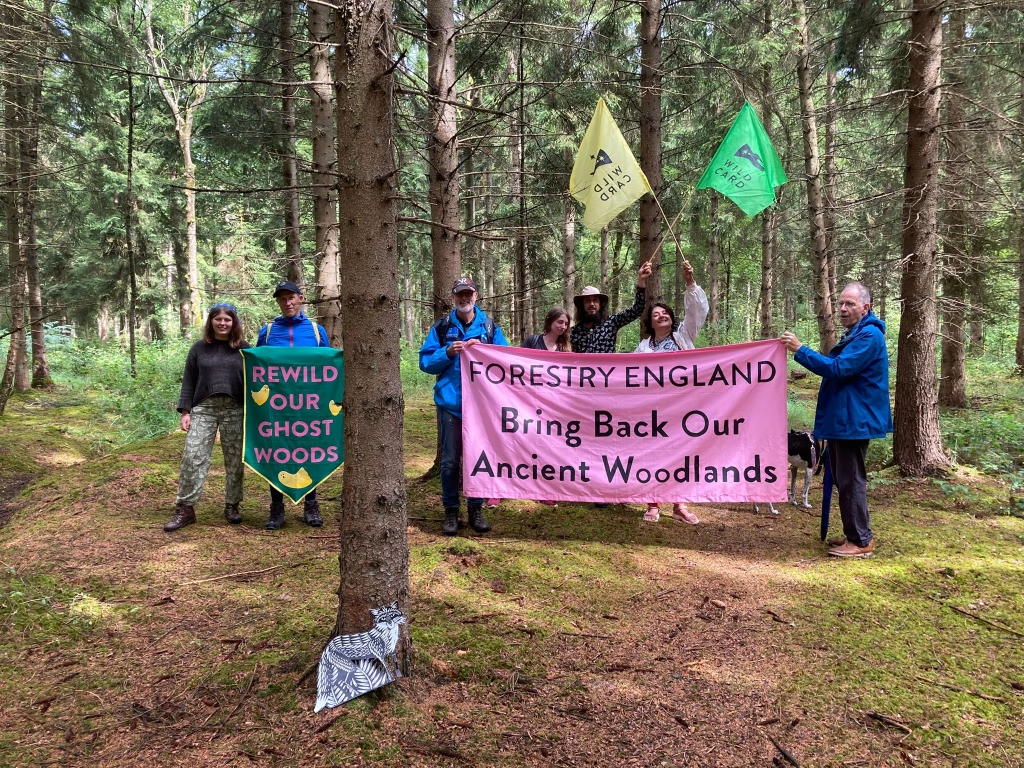
This is such incredible news for ancient woodland species from the lemon slugs to the wood anemones, to the myriad of invertebrates and you made it happen: you petition signers, you letter writers, you sluggish conga dancers, you ghost hunters, you artists, you videographers, you animators, you marchers, you lovely lovely heroes for nature. Thank you!






What’s wrong with our ancient woodlands?
When we started campaigning in 2025, the situation was dire.
Just 1.6% of England is true ancient woodland.
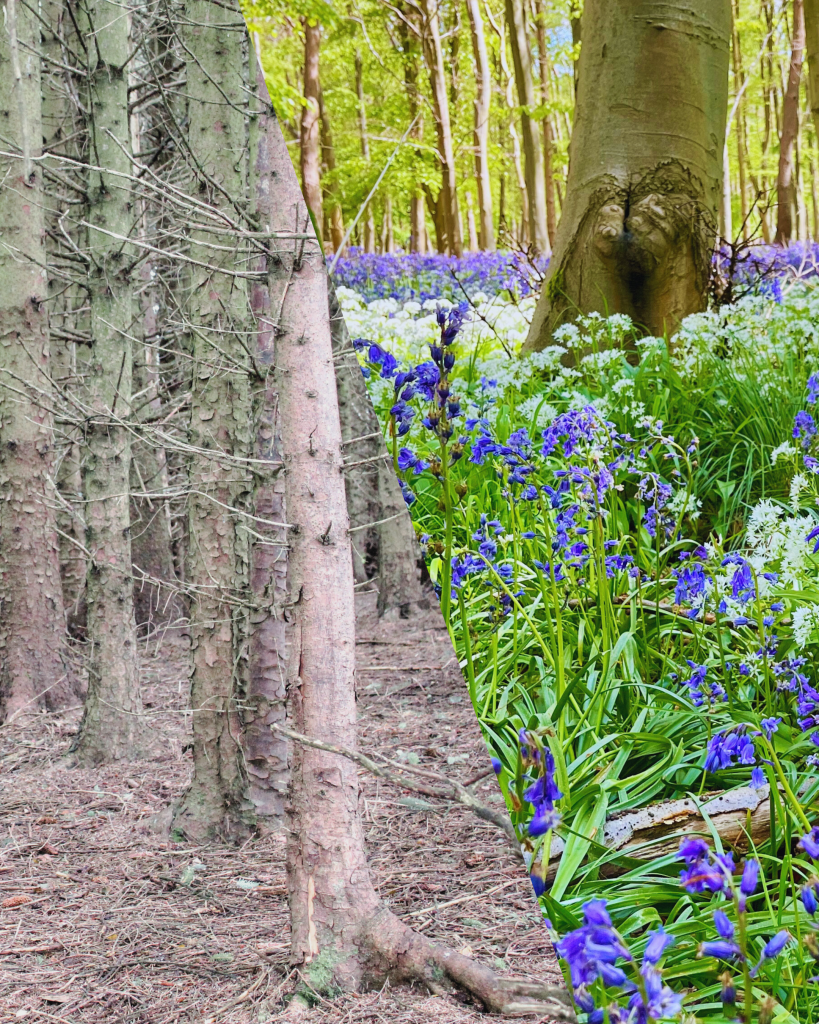
Another 370,000 acres of former ancient woodland known as PAWS (Plantations on Ancient Woodland Sites) have been replaced by timber plantations.
Monoculture plantations may grow wood, but they annihilate the rich biodiversity of ancient woodland; they damage soil, suppress wildlife, and silence the landscape. These aren’t forests, they’re crops.
The new funding will restore Forestry England’s 105,000 acres of these lost woodlands, that’s bigger than the Isle of Wight! But the Government is still dragging its feet on private ancient woodlands.
From our blog
-
We Won the Ghost Woods campaign!
We have some incredibly exciting news to share… 🎉WE WON THE GHOST WOODS CAMPAIGN! 🎉 Defra have been keeping it on the down low, but we’re so happy to confirm that they have now committed to yearly funding for restoring our precious ancient woodlands. In an email to Rebecca Smith MP, nature minister Mary Creagh…
-

Record-breaking slugs say slime is up on woodland revival
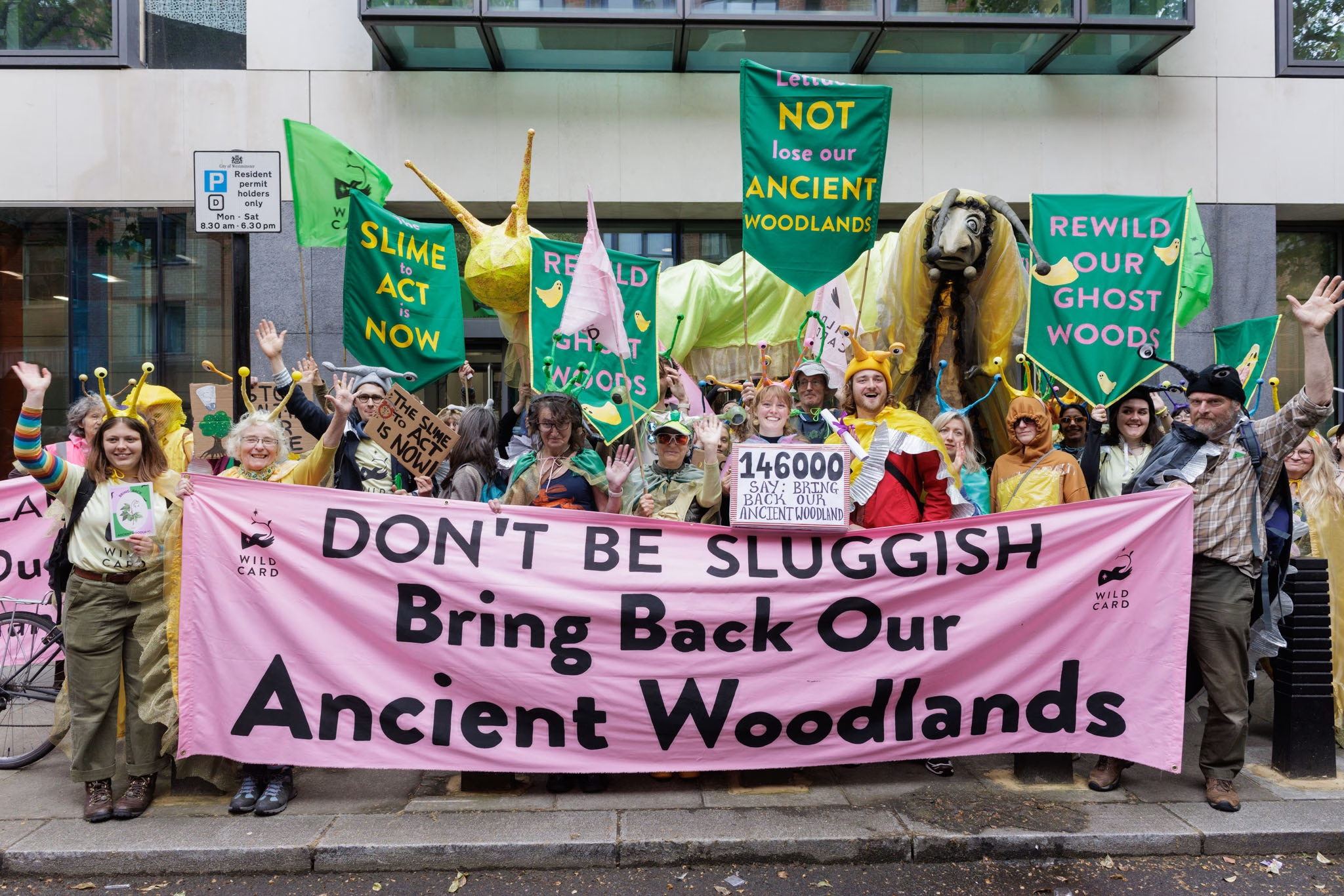
On the 19th of May, Wild Card assembled the largest ever gathering of people dressed as slugs to call on the government to deliver on its promise to restore the nation’s ‘ghost woods’ (ancient woodlands buried beneath timber plantations) before they disappear for good.
-

Rewilding Species of the Month: Slugs
When choosing a rewilding species of the month, many species will stand out as clear options: the trophic cascading of the majestic eagle, the engineering prowess of the brilliant beaver, the splendid carbon sequestering seagrass. Few would consider the much-maligned slug. Yet this is exactly why slugs need to be chosen. In rewilding the UK,…