
Author: Hazel Draper
-

Rewilding Species of the Month: The Atlantic Salmon
The story of the Atlantic Salmon (Salmo salar) is one worthy of Tolkien. It is a tale of there and back again, taking the salmon from fresh water high upstream to thousands of miles out into the Atlantic Ocean. Then, with a swish of the tail, it turns back home to the very same river…
-

Rewilding Species of the Month: The Eurasian Beaver
Beavers are something of a poster child when it comes to rewilding. They are an incredible example of a keystone species, a species which shapes and holds together its natural environment to allow other species to flourish. Just as the keystone of a bridge creates the bridge’s structure and integrity, so too do such species…
-

Rewilding Species of the Month: Wild Ponies
The tale of horses and ponies in the UK to some extent embodies humanity’s relationship with the rest of the natural world. At times it is a relationship of deep love and respect. At others it is a tale of dominance, born of an idea that the rest of nature has purpose only in terms…
-
Dame Judi Dench-backed campaign welcomes £6m funding for woodland restoration
The Oscar winning actor called the win “a wonderful moment for Britain’s ghost woods,” as campaigners call for new administration to honour commitments made under Starmer to restore ancient woodland Following mounting public pressure and calls for action from high-profile voices, including Dame Judi Dench, the Government announced in May major new funding to restore…
-
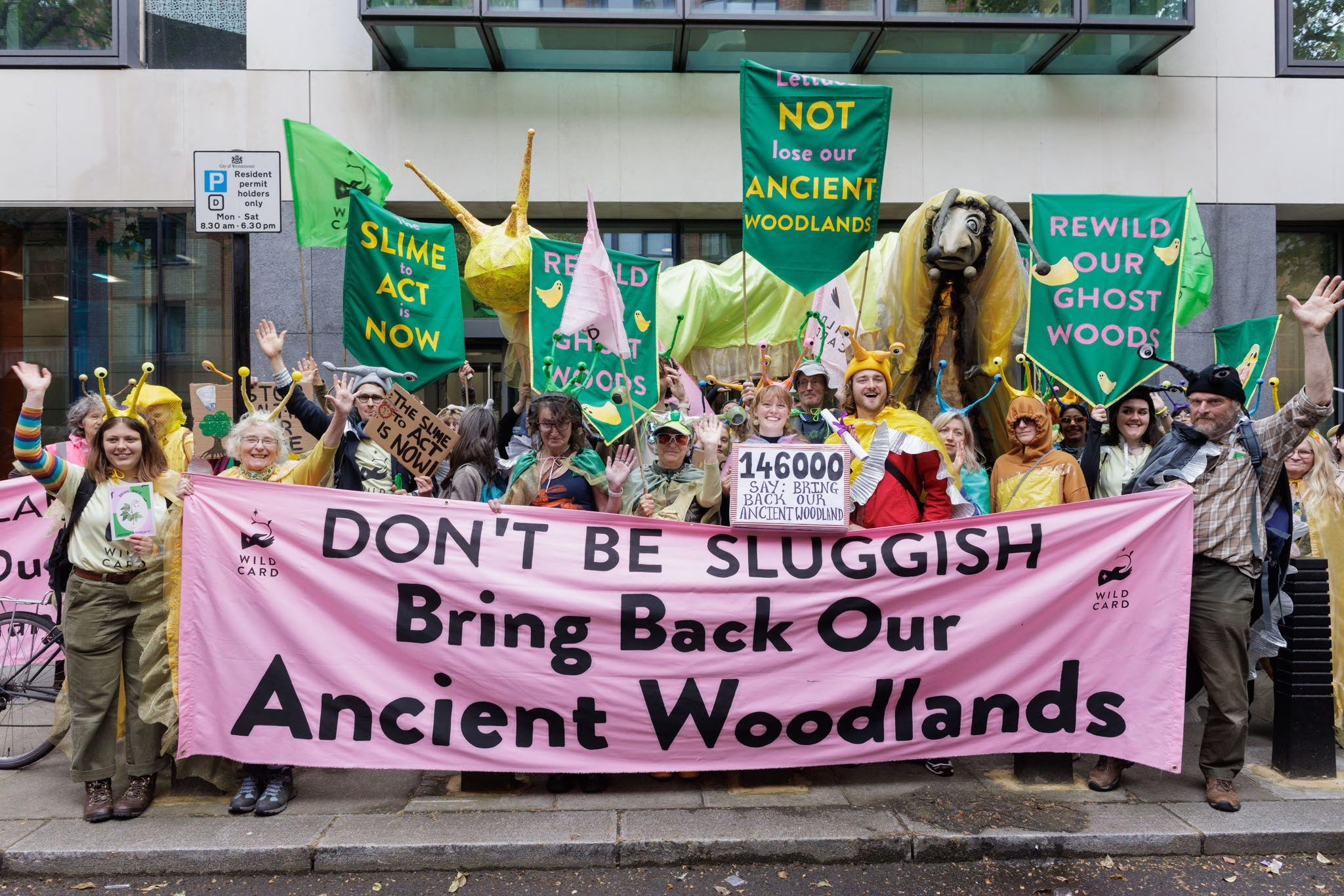
We Won the Ghost Woods campaign!
We have some incredibly exciting news to share… 🎉WE WON THE GHOST WOODS CAMPAIGN! 🎉 Defra have been keeping it on the down low, but we’re so happy to confirm that they have now committed to yearly funding for restoring our precious ancient woodlands. In an email to Rebecca Smith MP, nature minister Mary Creagh…
-
Church of England votes to water down move to protect nature
General Synod members today missed a landmark opportunity to protect nature, voting to dilute a motion that would have committed the Church Commissioners to protect nature on 30% of their land by 2030. The Church of England’s national assembly instead passed an amendment that highlighted their current environmental efforts and did not include any measurable…
-
Church to vote on 30×30 after landmark legal opinion clears path for nature targets
New legal analysis rejects Church Commissioners argument that the Church of England cannot support global goal An independent legal opinion by leading ecclesiastical lawyer Mark Hill KC has found that the Church Commissioners face no legal barriers to adopting 30by30 nature restoration targets, directly challenging their claim that fiduciary duties prevent them from doing so. …
-

Rewilding Species of the Month: The Golden Eagle
In 2016, the last Golden Eagle in England passed away. It was in reading Lee Schofield’s book ‘Wild Fell’ that I was first introduced to the plight of this incredible species, as well as the importance of rewilded landscapes to their survival.
-

Rewilding Species of the Month: Slugs
When choosing a rewilding species of the month, many species will stand out as clear options: the trophic cascading of the majestic eagle, the engineering prowess of the brilliant beaver, the splendid carbon sequestering seagrass. Few would consider the much-maligned slug. Yet this is exactly why slugs need to be chosen. In rewilding the UK,…
-
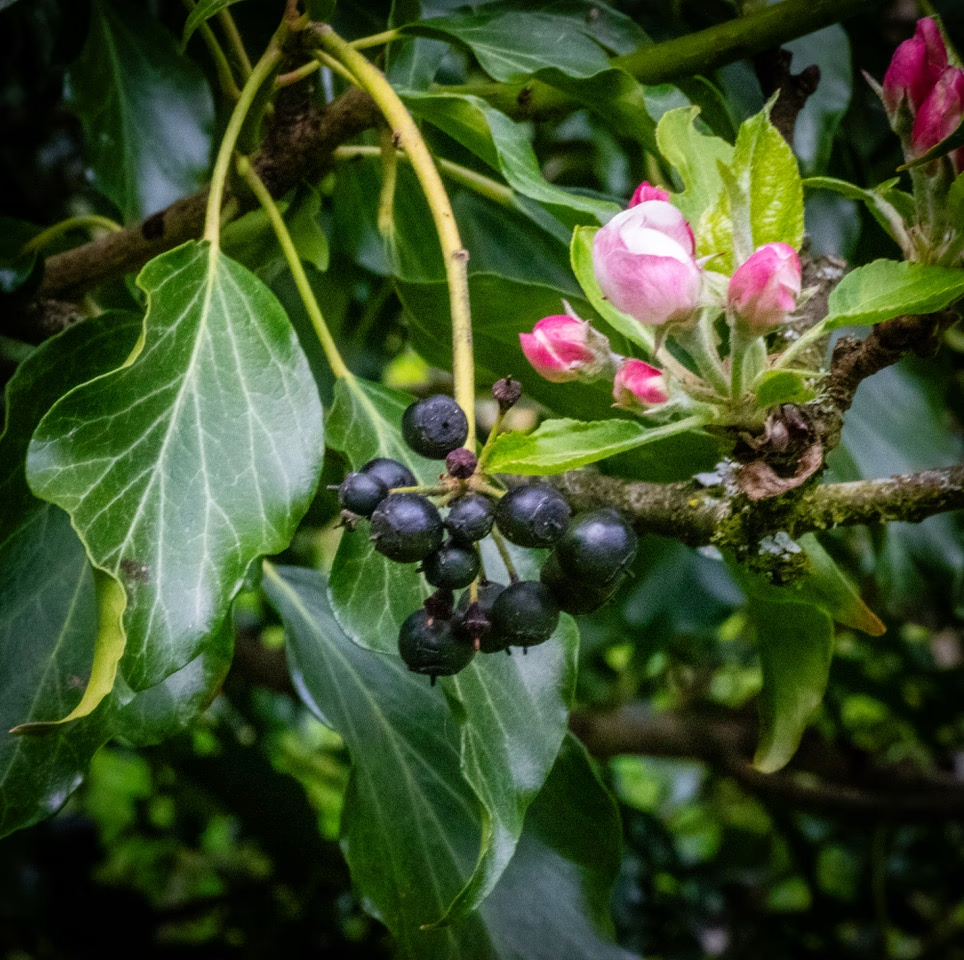
Rewilding Species of the Month: Common Ivy
Ivy is a controversial plant that gets a whole lot of people reaching for the secateurs to butcher the green monster. In the UK, where Common Ivy is a native and therefore non-invasive species, this attitude can be symbolic of humanity’s need for control over nature or it may be symbolic of our misunderstanding of…
Our blog posts are written by our core team and guest bloggers. If you have an idea for a blog post please pitch it to us: info@wildcard.land
ARCHIVES
- October 2026
- September 2026
- August 2026
- July 2026
- June 2026
- May 2026
- April 2026
- March 2026
- February 2026
- December 2025
- November 2025
- October 2025
- September 2025
- August 2025
- July 2025
- June 2025
- May 2025
- April 2025
- March 2025
- February 2025
- December 2024
- November 2024
- October 2024
- September 2024
- August 2024
- July 2024
- June 2024
- March 2024
- February 2024
- January 2024
- December 2023
- November 2023
- August 2023
- July 2023
- May 2023
- February 2023
- January 2023